Why Are We Opposing The TMBC Local Plan?
TMBC (Tonbridge & Malling Borough Council) are preparing a new Local Plan, which looks ahead to 2042. Once adopted, the Local Plan will form part of the Development Plan for the borough, replacing all existing development plan documents and will be used to assess and make decisions on planning applications.
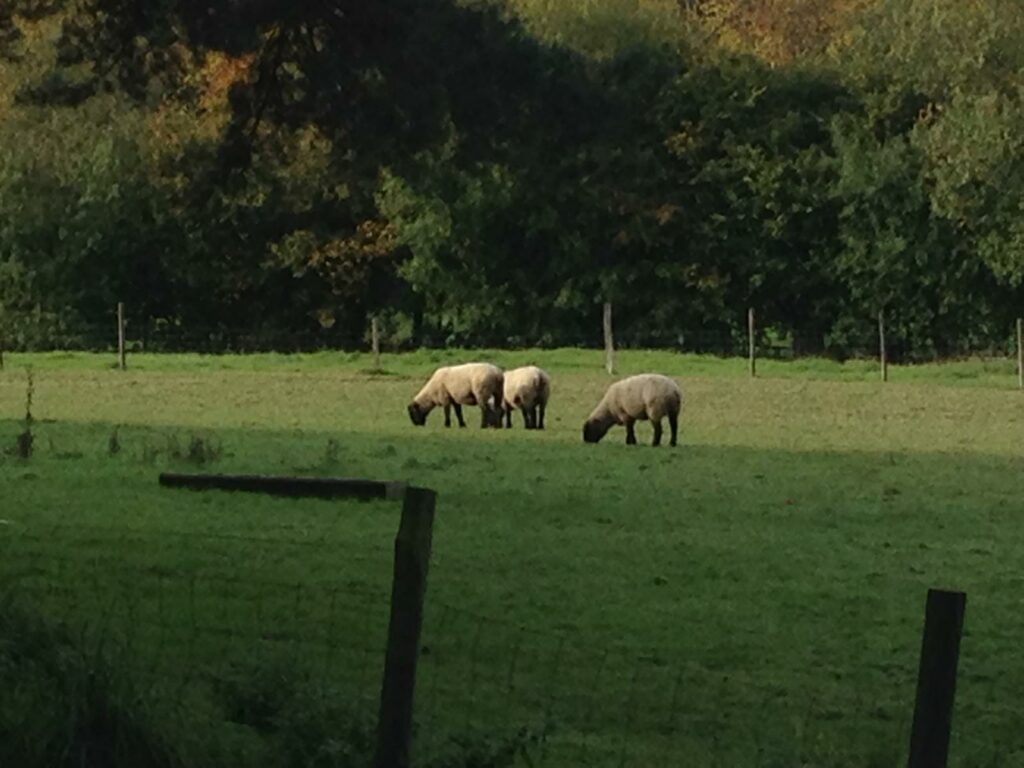
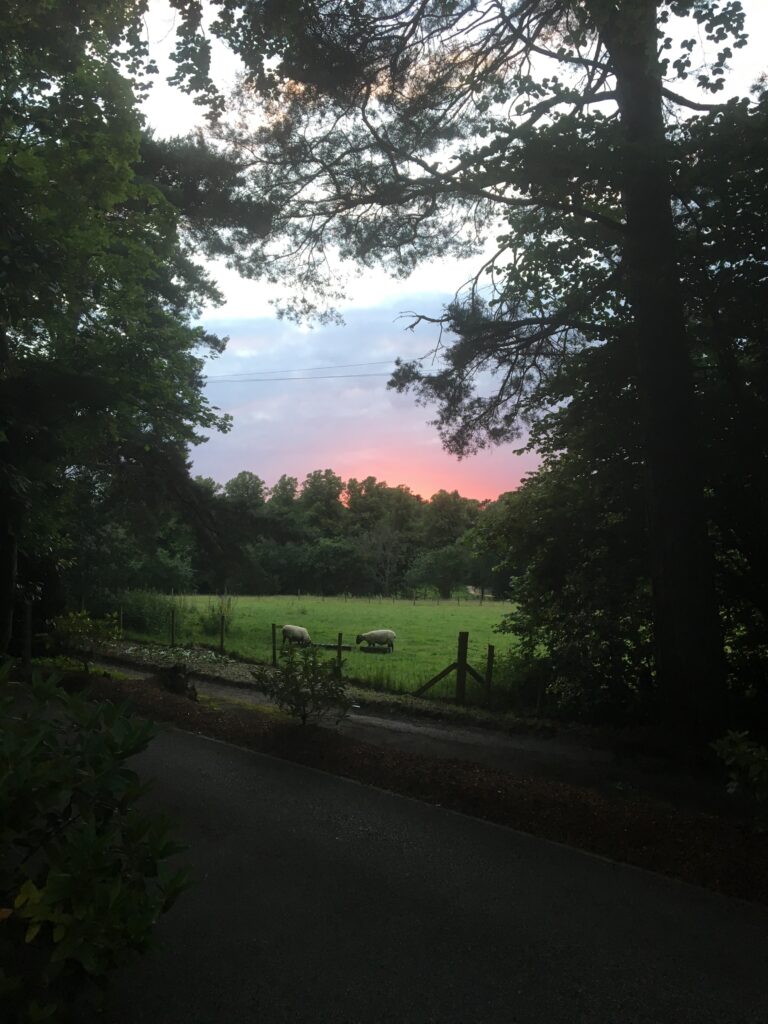
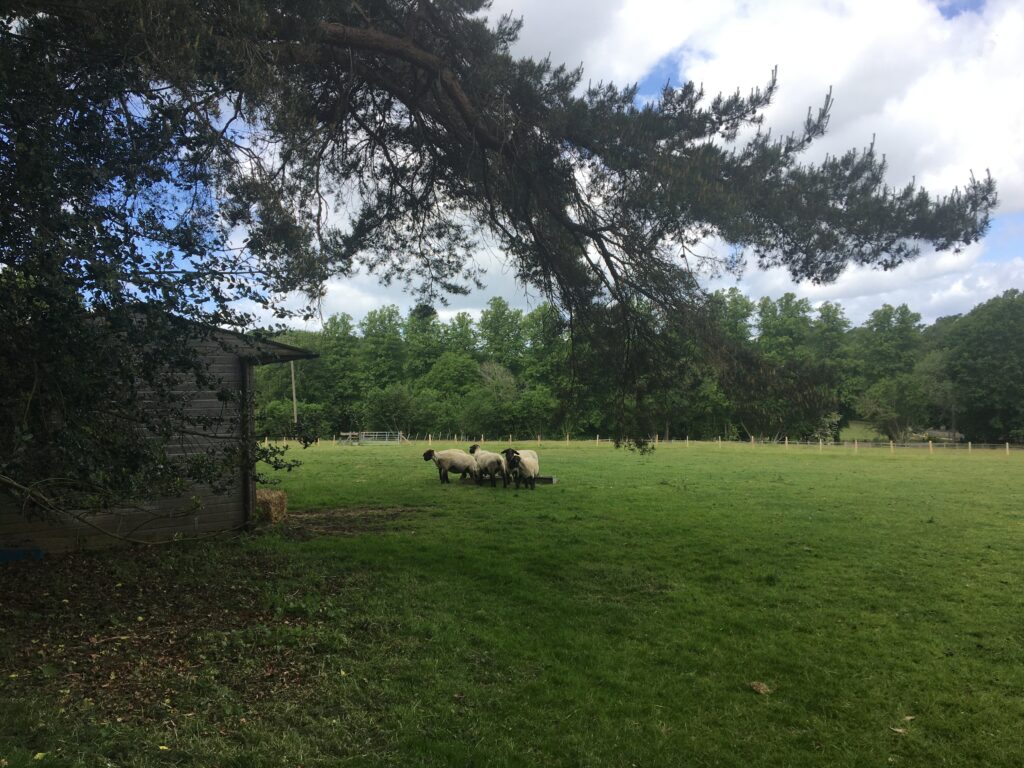
Two existing Green Belt sites within Ightham have been proposed as Grey Belt in the Local Plan and earmarked for housing development. We believe that Ightham is not a suitable location for growth.
Ightham village is unsustainable with no shops or services, and very limited public transport, and this is an integral prerequisite of finding it is Grey Belt, which is the whole basis for the TMBC suggesting it should be allocated.
Unsustainable sites cannot take advantage of Grey Belt policy, and so this entire premise is fundamentally flawed.
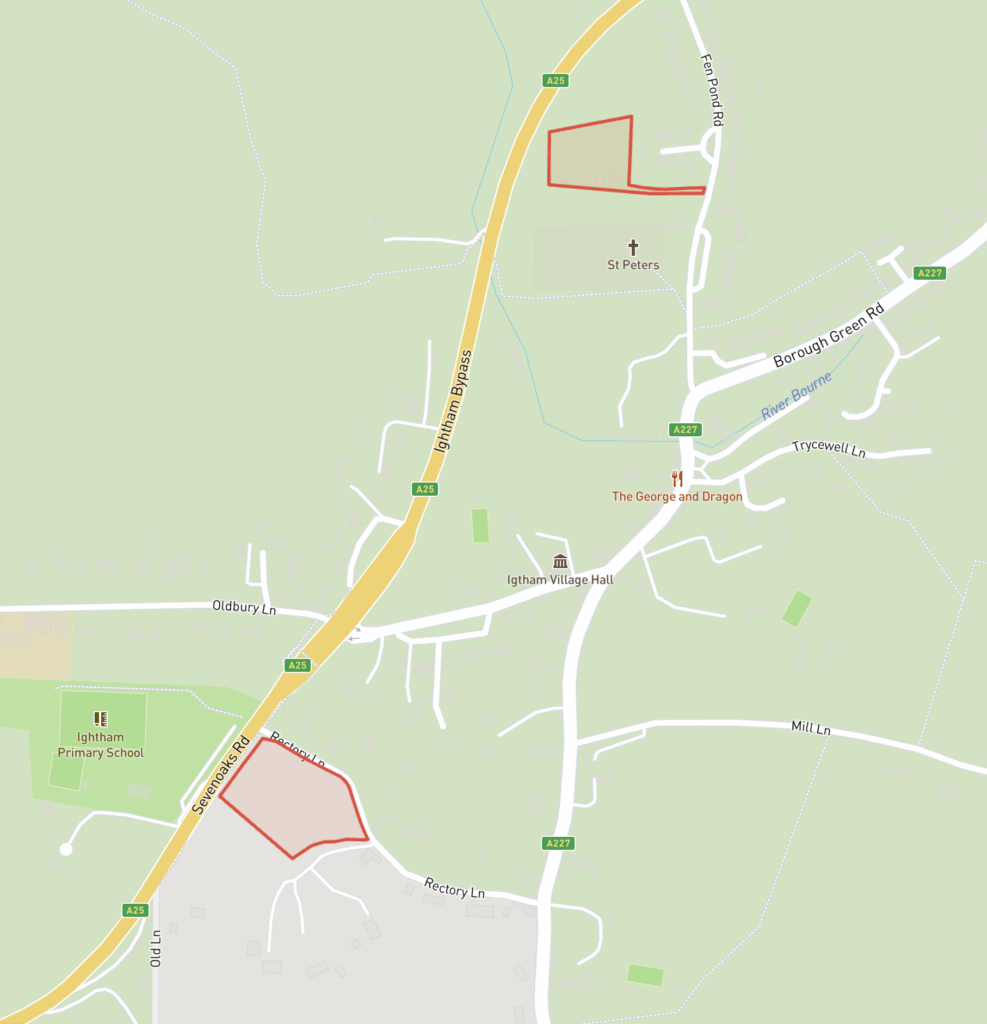
IG2 is marked in red at the bottom of the image.
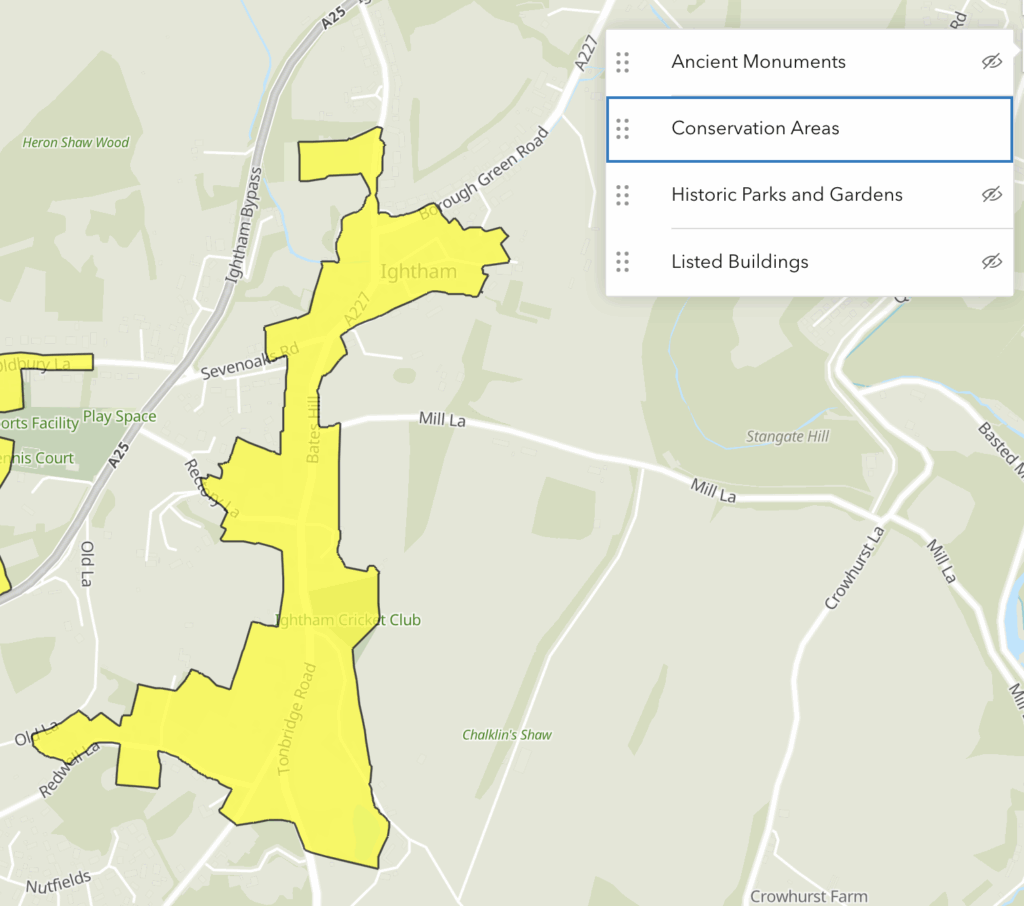
Furthermore site IG1 is within the Kent Downs National Landscape and close to Listed buildings and the Conservation Area.
IG2 is directly adjacent to the national landscape and very close to the Conservation Area. Strong harm to any of these designations would also disengage Grey Belt policy.
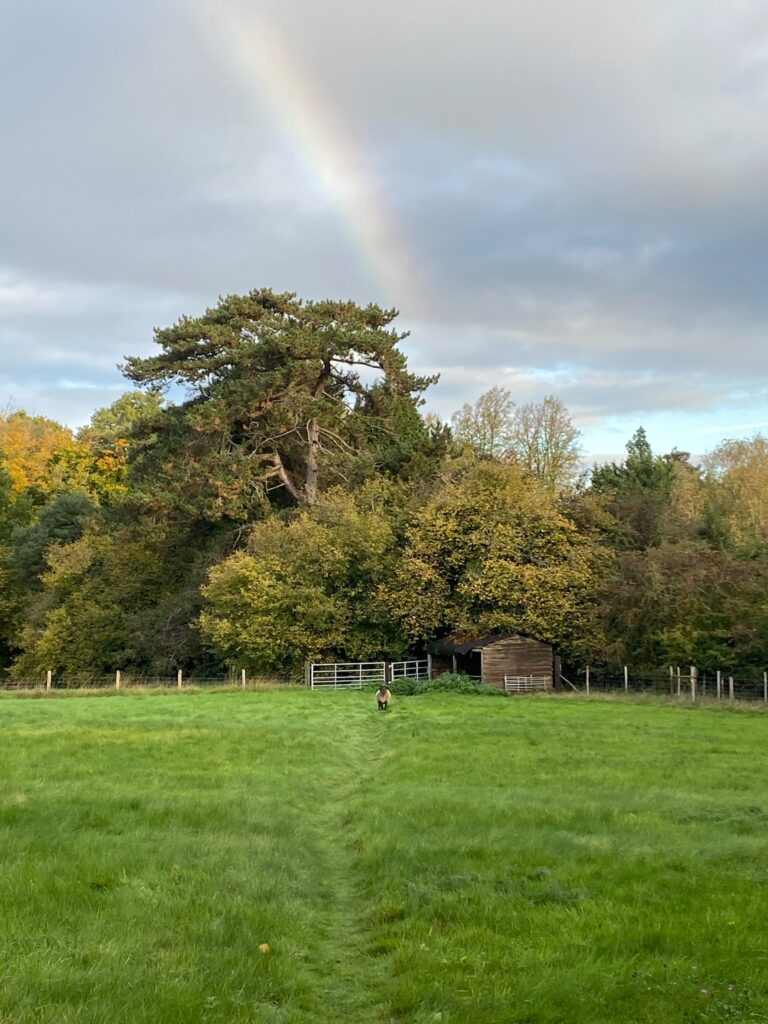
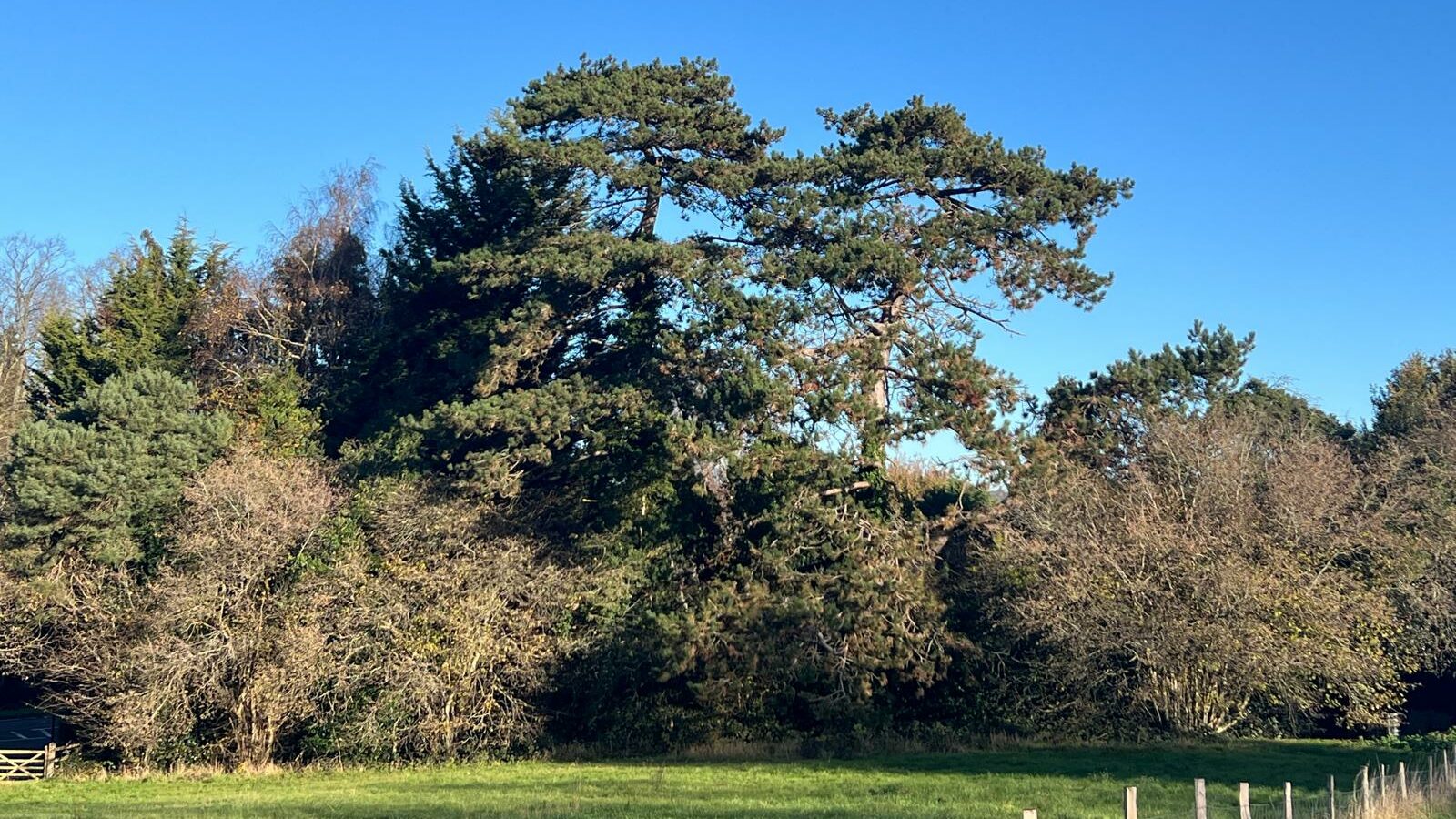
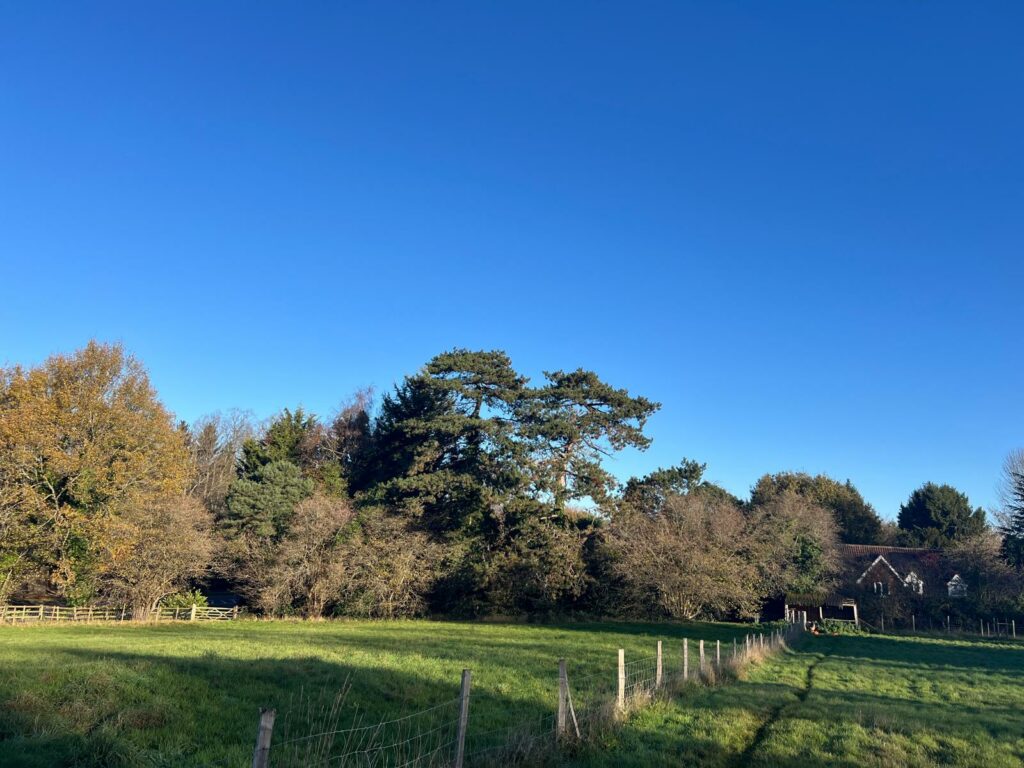
IG2 also benefits from two beautiful Scots Pines with existing TPO’s (Tree Preservation Order).
Join Our Mailing List
Keep up to date with any developments.
What is Grey Belt Land?
Grey belt land is a term introduced in UK planning policy in 2024-2025 by the Labour government to help meet ambitious house-building targets (1.5 million new homes over the 2024–2029 parliament).
It is a new concept within the Green Belt in England for land that is of low environmental value and does not strongly contribute to the Green Belt’s purposes, such as preventing urban sprawl. It includes previously developed sites like old car parks or depots, as well as low-quality green land, and is intended to be considered for development while still respecting the core purposes of the Green Belt.
A sub-category of the Green Belt
Grey belt land is a specific designation within the Green Belt, not a separate category of land.
Low-value land
It refers to areas within the Green Belt that have limited environmental or aesthetic value.
Includes previously developed land
It can include sites that are either already developed (e.g., old petrol stations, car parks) or land that, while green, doesn’t strongly support the purposes of the Green Belt.
Suitable for development
The definition is intended to make it easier to release some Green Belt land for housing and other development while safeguarding the core purpose of the wider Green Belt.
Examples of Grey Belt Land
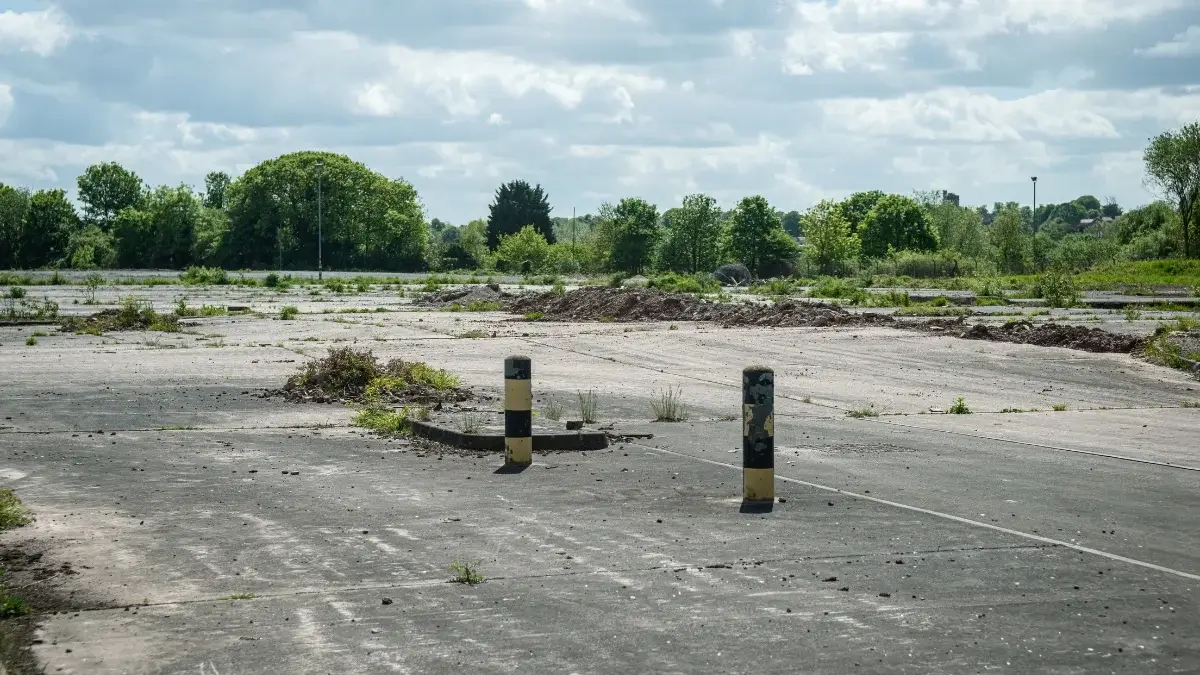
Old industrial sites or depots

Disused or abandoned sites, including former petrol stations
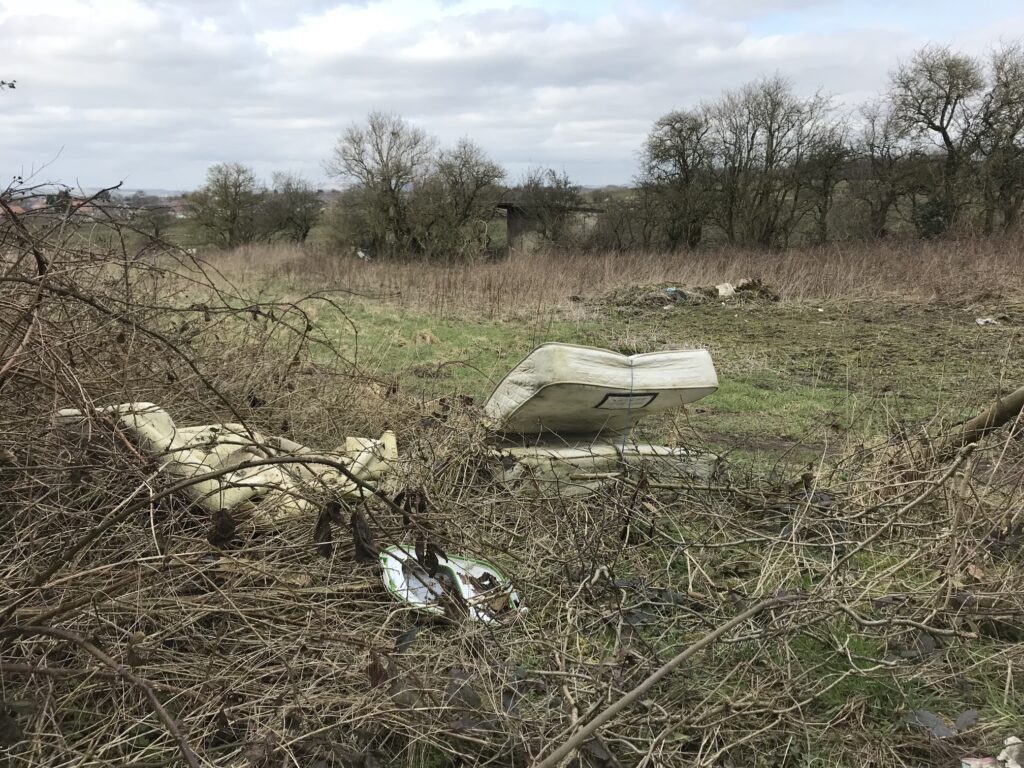
Some scrubland or roadside locations
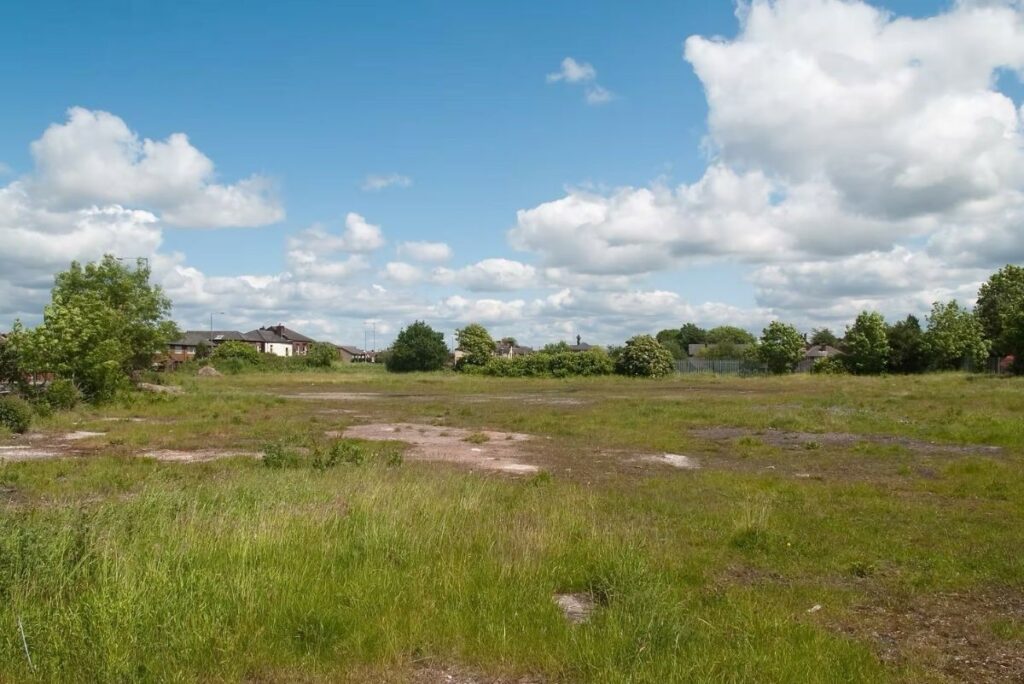
Land on the edge of existing settlements or roads
Join Our Mailing List
Keep up to date with any developments.